Loss of Appetite During Cancer: Home Remedies for Improved Nutrition
Written by Dt Triveni K. Reviewed by Dr Nikunj Tripathi.
Published by ZenOnco on 05 Jan 2024 5 min read
Introduction
A cancer diagnosis brings a multitude of challenges, and one common side effect that many patients face is a loss of appetite. This reduction in the desire to eat can significantly impact a patient's nutritional intake, energy levels, and overall well-being also leading to weight loss. Proper nutrition is essential for supporting the body's strength and needs during cancer treatment for healing and to prevent deficiencies in the body.Understanding Loss of Appetite in Cancer Patients
Loss of appetite, also known as anorexia, is a prevalent issue among cancer patients. It can occur due to various factors, including the side effects of treatments like chemotherapy, radiation therapy, and medications, as well as the psychological and emotional challenges of dealing with cancer. A diminished appetite can lead to weight loss, malnutrition, and a weakened immune system, making it essential to find effective ways to stimulate hunger and improve nutritional intake, especially during treatment to improve treatment outcomes and help in recovery. Also Read: Changes in Appetite Overview Managing a loss of appetite during cancer treatment is vital for maintaining strength and resilience. Home remedies offer a holistic approach to support the body's nutritional needs, making it easier for cancer patients to regain their appetite and enhance their overall well-being. These practical solutions are simple to incorporate into daily routines, providing a ray of hope amidst the challenges that cancer presents. By incorporating these home remedies into your daily routine, you can take proactive steps to combat loss of appetite during cancer treatment. Always consult your healthcare provider or nutritionist for personalized guidance and support to ensure you're meeting your nutritional needs. For more, connect with Onco-Nutritionists: Click hereHome Remedies to manage Loss of appetite during cancer
- Ginger: Ginger is renowned for its appetite-stimulating and digestion-enhancing properties. You can enjoy its benefits by sipping on a cup of ginger tea or chewing on a 1-inch piece of fresh ginger before meals. This natural remedy can help rekindle your desire to eat.
- Lemon Water: Lemon water plays a crucial role in jumpstarting your digestive system. The acidity of lemon juice activates saliva production and stomach acids, which prepares your body for digestion. Simply drink a glass of warm water with half a squeezed lemon before meals to aid in digestion and improve your appetite.
- Peppermint Tea: Peppermint tea is a soothing choice that can alleviate stomach discomfort and stimulate your appetite. Enjoy a cup of peppermint tea between meals to ease any digestive issues and encourage a healthier appetite.
- Fenugreek: Fenugreek is a natural appetite stimulant. To benefit from its properties, soak 1 teaspoon of fenugreek seeds in water overnight or sprout them. Consuming fenugreek can help you regain your appetite more naturally.
- Dandelion Root: Brewing a cup of dandelion root tea using 1-2 teaspoons of dried root can boost both your appetite and digestion. This herbal remedy provides a gentle way to improve your desire for food.
- Small, Frequent Meals: Instead of traditional three-meal days, consider eating 5-6 smaller meals spaced 2-3 hours apart. This approach helps prevent over-fullness and can make eating more manageable and appealing.
- Appetite-Boosting Spices: Spices like black pepper, cardamom, fennel, and cumin can add flavour and enhance your appetite. Incorporate a pinch to half a teaspoon of these spices into your meals to make them more enticing and appetizing.
- Bitter Greens: Greens such as arugula or endive are known to stimulate digestion. Enjoying a small salad with these greens before your main meals can help prepare your body for food and improve your appetite.
- Zinc-Rich Foods: Zinc is essential for taste perception. To ensure you're getting enough, add 1-2 tablespoons of pumpkin seeds to your diet or include a half-cup of lentils daily. This can help restore your sense of taste and make meals more enjoyable.
- Tamarind: Consuming 1 teaspoon of tamarind pulp can stimulate gastric juices and enhance your appetite. Its tangy flavour can also make your meals more appealing.
ZenOnco.ios Holistic Approach to Managing Loss of Appetite
- Customized Plans: Personalized therapies and supplements are provided to minimize side effects
- Onco-Nutrition and Anti-Cancer Diet: Our nutritionists create specific dietary plans rich in anti-cancer foods, personalized to individual nutritional needs and treatment phases, focusing on enhancing overall health
- Emotional Counseling: We offer psychological support to patients and caregivers, helping them navigate the emotional challenges of cancer with stress management techniques and counselling.
- Ayurveda and Medical Cannabis: Integrating Ayurvedic remedies for natural healing and medical cannabis for managing pain and nausea, to complement conventional treatments under expert guidance.
- Supplements and Nutraceuticals: Recommendations for quality supplements and nutraceuticals support health and overall well-being.
- Educational Resources: Providing patients and caregivers with comprehensive information through applications like ourZenOnco Cancer Care app, materials, webinars, and workshops on cancer care and wellness strategies.
- Personalized Care and Regular Monitoring: Ensuring individualized attention, with regular progress assessments and treatment plan adjustments.
-
Milliron BJ, Packel L, Dychtwald D, Klobodu C, Pontiggia L, Ogbogu O, Barksdale B, Deutsch J. When Eating Becomes Torturous: Understanding Nutrition-Related Cancer Treatment Side Effects among Individuals with Cancer and Their Caregivers. Nutrients. 2022 Jan 14;14(2):356. doi: 10.3390/nu14020356. PMID: 35057538; PMCID: PMC8781744.
-
Bazzan AJ, Newberg AB, Cho WC, Monti DA. Diet and nutrition in cancer survivorship and palliative care. Evid Based Complement Alternat Med. 2013;2013:917647. doi: 10.1155/2013/917647. Epub 2013 Oct 30. PMID: 24288570; PMCID: PMC3832963.
Managing chemo side effects? Get a personalized plan.
Get guidance to manage pain, weakness, and treatment side effects better.
Related Articles
View All Articles →Pulmonary fibrosis
Access insights into Pulmonary Fibrosis in Cancer, understanding the scarring and thickening of lung tissue as a result of radiation therapy, focusing on symptom management and care.
Read Article →Inflammation in lungs
Discover Inflammation in Lungs in Cancer, focusing on the causes and management of lung inflammation, including pneumonitis and fibrosis, in cancer patients.
Read Article →Decreased lung capacity
Learn about Decreased Lung Capacity in Cancer, addressing the challenges and rehabilitation strategies for patients experiencing reduced lung function due to tumors or treatment.
Read Article →Arrhythmia - irregular heartbeat (mentioned in both lists but with specific detail in List A)
Explore Arrhythmia in Cancer, focusing on the management of irregular heartbeats caused by cancer treatments, highlighting strategies for monitoring and treatment.
Read Article →Coronary artery disease
Navigate Coronary Artery Disease in Cancer, understanding the increased risk and emphasizing the importance of cardiovascular care in cancer patients.
Read Article →Congestive heart failure
Discover Congestive Heart Failure in Cancer, recognizing the impact of certain cancer treatments on heart health, emphasizing early detection and management.
Read Article →Pleural effusion
Learn about Pleural Effusion in Cancer, addressing the accumulation of fluid in the pleural space, focusing on symptom relief and treatment of underlying causes.
Read Article →Pelvic insufficiency fractures
Explore Pelvic Insufficiency Fractures in Cancer, understanding the risk factors and management strategies for this complication in cancer patients, especially post-radiation therapy.
Read Article →Continent urinary diversion
Access insights into Continent Urinary Diversion in Cancer, a surgical option for urinary reconstruction post-cancer treatment, highlighting patient care and recovery.
Read Article →Hypoglycemia
Navigate Hypoglycemia in Cancer, focusing on the management of low blood sugar levels, potentially caused by tumor activity or treatment effects, ensuring patient safety.
Read Article →Related Products
- Detoxify Liver
- Gut health promoter
- Immunity booster

- Anti-cancer
- Side effect management
- Pain reliever
- Manage weight loss
- Improve muscle strength
- Immunity booster
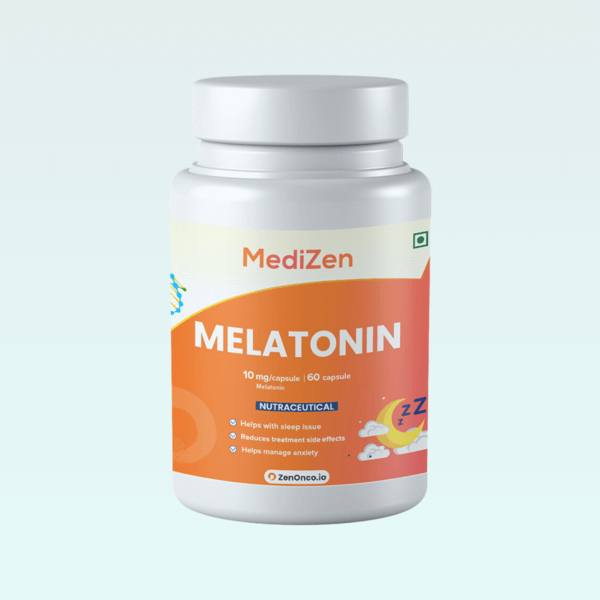
- Improves sleep
- Side effect management
- Stress management
- Detoxify Liver
- Gut health promoter
- Immunity booster
- Increase Hemoglobin Levels
- Improves Digestive Health
- Antioxidant
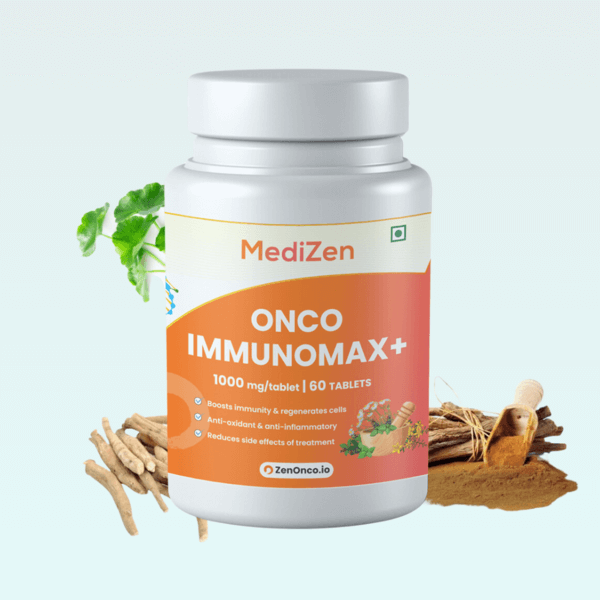
- Immunity booster
- Antioxidant
- Side effect management

- Detoxify Liver
- Gut health promoter
- Immunity booster
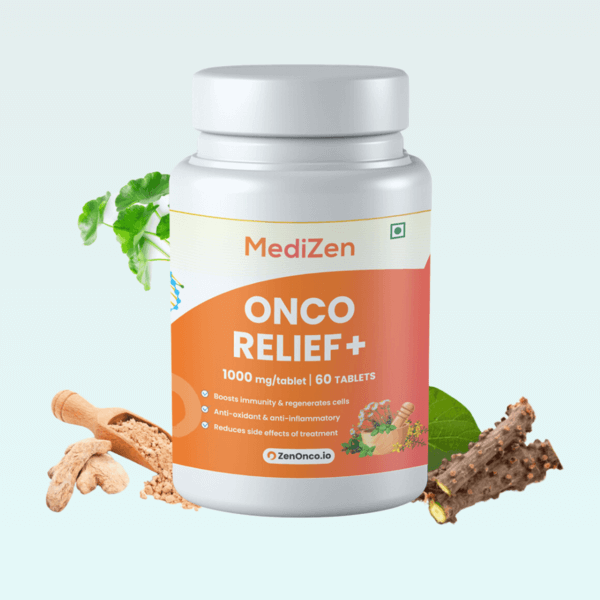
- Antioxidant
- Immunity Booster
- Side effect management

- Anti-cancer
- Side effect management
- Reduce recurrence risk